Myofascial & Remedial Massage on the Sunshine Coast
A Sunshine Coast wellness centre offering holistic therapies, a multidisciplinary team and supportive guidance to help you care for your health.
Remedial Massage Therapists with Calm Hands
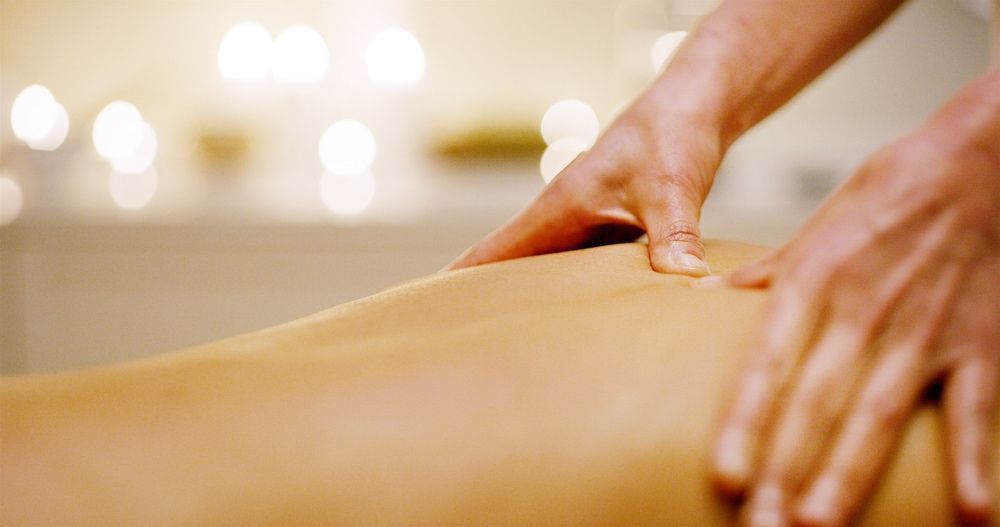
Led by Ruth, Remedial massage at The Health Studio Sunshine Coast offers focused, hands-on support for tight muscles, restricted movement and long-term tension patterns. Based on the Sunshine Coast, we combine remedial techniques with myofascial release to work through deeper layers of soft tissue. Our goal is to help you move more freely, reduce strain and understand what may be contributing to discomfort.
Our remedial massage service includes:
- Myofascial release to ease restricted tissue
- Targeted work on tension points
- Techniques supporting mobility and function
Each session is tailored to how your body feels on the day, allowing pressure and pace to be adjusted to your comfort. Whether you’re dealing with ongoing tightness or work-related strain, we’re here to support you.
Call The Health Studio Sunshine Coast on (07) 5444 6354 to book.
Supportive & Natural Goals
When you arrive, we begin by checking where your body feels tight, overworked or limited. From there, we use a blend of remedial and myofascial techniques to release tension gradually rather than forcing the tissue. The pressure is steady and purposeful, helping your muscles soften and respond at their own pace.
You may notice improved mobility, reduced stiffness and a clearer sense of ease through areas that normally feel restricted. Over time, consistent remedial work can support posture, recovery and the way your body handles day-to-day physical stress. Sessions are designed to feel therapeutic yet grounding, giving you time to switch off while your body releases deeper layers of tension.
Book your remedial massage session today.
Holistic Care
Multidisciplinary Team
Central Location
How Can We Help
Reach out to book an appointment or ask a question. We’ll get back to you with guidance that we hope to be supportive and helpful.
Thank you for contacting The Health Studio Sunshine Coast.
We will get back to you as soon as possible.
Oops, there was an error sending your message.
Please try again later.
FAQ
What is myofascial release?
Myofascial release is a gentle, sustained technique used to ease tension in the fascia, the connective tissue surrounding muscles. Slow, steady pressure helps soften restricted areas and encourages smoother movement. It’s commonly used when tightness feels deep, widespread or linked to habitual posture or stress.
How does myofascial release feel during treatment?
Myofascial release usually feels like slow, consistent pressure rather than strong, forceful movements. The therapist follows tension patterns and holds pressure until the tissue begins to soften. Some areas may feel sensitive, while others feel like gradual, spreading relief. The pace is intentionally slow to allow the tissue to respond.
Can myofascial release help with long-term tightness?
Myofascial release may help with long-standing tension by working on the connective tissue rather than only the muscles. Over time, this can support better mobility and reduced restriction. While many people find it helpful, it’s not a replacement for medical assessment if symptoms are severe or persistent.
What’s the difference between relaxation massage and therapeutic massage?
Relaxation massage focuses on creating a slower, calming experience that supports the nervous system and encourages the body to unwind.
Therapeutic massage still feels nurturing but aims to address mild tension or general aches without the deeper intensity of remedial work.
The two styles can blend depending on the person’s goals. Someone carrying stress may choose relaxation to help regulate their breathing and mood, while someone with day-to-day tightness may prefer therapeutic pressure for a gentle reset that still eases movement.
How does remedial massage help with muscle tension caused by repetitive work patterns?
Repetitive movements at work can create tightness in muscles that compensate for posture or load. Remedial massage targets those patterns by working through the specific muscles and connective tissues that take most of the strain. The therapist may check how the affected area moves, then use techniques that encourage circulation and ease protective tension.
Over time, people often notice better movement, fewer flare-ups and a clearer understanding of what contributes to the tightness. This makes it easier to adjust habits or strengthen areas that need extra support.